Posts

Showing posts with the label Ceiling sound panels

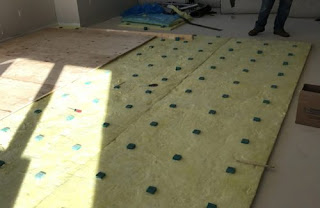
Insulation necessary for soundproofing
Image
Soundproofing is an advanced science on its own. There is much more to it than just applying dense muffing materials. For one thing, though you might want a room soundproofed, so that no sound enters or escapes, you don’t want to distort or deaden the sounds in the room. In private rooms, there are generally two reasons for soundproofing. The first is to enhance the sound in a room, for example in a home theatre or a music room. This implies insulating against reverberation and echo by using outdoor vinyl curtains . The second reason is to create a barrier to keep the sound in the room or to eliminate it from a room. These would be such sounds as dogs barking or traffic noises from outside. Or you might have to confine loud pop music of teenagers to one room or part of the house, or to create a barrier against voices and sounds from neighboring apartments or suites through thin walls by installing ceiling sound panels .  In an average home, acoustics are not important in the TV ent...
Things you should know about decorative ceiling sound panels

Image
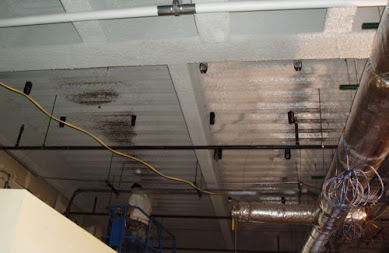
Ceiling sound panels are also known as ceiling tiles, while ceiling tiles can be important to completing the ceiling, and offering sound absorption, decorative panels don’t need to be manufactured to cover an entire ceiling. They are frequently made into single panels that can be placed on a ready laid ceiling wherever you want to just add an aesthetically impressive look to your ceiling. The panels and putty pads are frequently very complex in design and frequently offer a 3D effect. Obviously, there are many different types for various purposes like the ones particularly designed for bathrooms. The panel types I was referring to above are the ones you will find around large impressive building like mansions and manors. They date back to the Victorian times when they were first manufactured. To make them as complex as they do and stand out in a D manor, a mould should first be manufactured. Before the mould can be made, a diagram of how you want it to look should first be created, th...